

What Is Babeltee? Benefits, Uses, and Facts
Have you recently come across the word Babeltee and wondered what it means? With new food and beverage trends appearing across the internet, unfamiliar terms often attract attention. Babeltee is one such term that has generated curiosity among people interested in tea, creative drinks, and alternative beverage ideas. It is commonly described in online articles as a customizable tea-based drink that can include different tea varieties, fruits, herbs, milk, and sweeteners.
However, there is an important distinction worth understanding: Babeltee does not currently have one universally accepted definition, traditional recipe, or confirmed historical origin. Some online sources associate it with personalized tea beverages, while others use the name in different contexts. This guide explores its commonly described meaning, possible ingredients, uses, potential benefits, and simple preparation ideas.
What Is Babeltee?
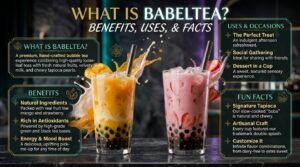
Babeltee is an informal online term frequently associated with customized tea drinks. Rather than referring to one specific traditional beverage, it is generally used to describe the idea of combining brewed tea with different flavors and ingredients.
For example, someone might prepare green tea with fresh strawberries, lemon, and mint, while another person could prefer black tea mixed with milk, honey, and cinnamon. Both combinations could be described as Babeltee-style beverages.
Its flexible nature makes the concept interesting for people who enjoy experimenting with different flavors. Depending on the ingredients, the drink can be served hot, chilled, or over ice.
It is important to understand that there is no officially recognized Babeltee formula. Its ingredients and preparation methods depend on the interpretation of the person or website using the term.
Where Did Babeltee Come From?
The exact origin of Babeltee remains unclear. There is currently no reliable historical evidence identifying a particular inventor, country, tea company, or traditional culture responsible for creating it.
The word also sounds similar to bubble tea, which may explain why people sometimes associate the two terms. However, they should not automatically be treated as identical.
Bubble tea is an established beverage associated with Taiwan and is widely recognized for its tea base, milk or fruit flavors, and optional tapioca pearls. In contrast, the meaning of Babeltee remains informal and less clearly defined.
As interest in customized beverages continues to grow, different online publishers have started describing the term through their own interpretations.
Common Ingredients Used in Babeltee
One interesting aspect of the concept is that there is no mandatory ingredient list. People can experiment with different combinations depending on their preferred flavor, dietary requirements, and available ingredients.
Here are some commonly suggested ingredients for a personalized tea drink.
| Ingredient | Common Options | Purpose |
|---|---|---|
| Tea base | Green, black, white, oolong | Provides the main flavor |
| Fresh fruits | Mango, strawberry, lemon | Adds fruity flavor |
| Herbs | Mint, basil, rosemary | Provides freshness |
| Milk | Dairy, oat, almond | Creates a creamy texture |
| Sweeteners | Honey, sugar, maple syrup | Adds sweetness |
| Spices | Cinnamon, ginger | Introduces warmth |
| Toppings | Tapioca pearls, jelly | Adds texture |
Choosing good-quality ingredients can make a noticeable difference to the final taste. Fresh fruit, properly brewed tea, and balanced sweetness are useful starting points.
Different Ways to Enjoy Babeltee
Because the term does not describe a fixed recipe, there are several ways to experiment with tea-based combinations.
Fruit-Based Tea Drinks
Fruit-based versions are suitable for people who enjoy refreshing beverages. Mango, strawberries, blueberries, oranges, and lemons can complement different tea varieties.
Green tea with mango and mint is one possible combination. It offers a light flavor with fruity and herbal notes.
Milk-Based Tea Drinks
People who prefer creamy beverages can combine black tea with dairy or plant-based milk. A small amount of honey or cinnamon can provide additional flavor.
Oat milk, almond milk, and soy milk are possible alternatives for people who avoid dairy products.
Herbal Tea Combinations
Herbal infusions provide another option. Peppermint, chamomile, hibiscus, and rooibos can be used to create different flavors.
Many herbal infusions are naturally caffeine-free, making them useful alternatives for people who want to limit caffeine consumption.
How to Make Babeltee at Home
Preparing a customized tea drink at home does not require expensive equipment or professional experience. The following is an example recipe inspired by the commonly described beverage concept, not an official or traditional formula.
Ingredients Required
- 1 cup freshly brewed green tea
- ½ cup fresh mango pieces
- 4–5 mint leaves
- 1 teaspoon honey (optional)
- ½ teaspoon fresh lemon juice
- Ice cubes
- ¼ cup cold water
Step-by-Step Preparation
Step 1: Prepare the Tea
Brew your preferred green tea according to the instructions on its packaging. Allow it to cool before adding the remaining ingredients.
Step 2: Prepare the Fruit
Wash and cut fresh mango into small pieces. You can mash some of the fruit to release its juice and create a naturally sweet flavor.
Step 3: Combine the Ingredients
Add the mango, mint leaves, lemon juice, and cooled tea to a glass or shaker. Mix everything gently until the flavors are combined.
Step 4: Adjust the Sweetness
Taste your drink before adding honey. If the mango is naturally sweet enough, you may not need an additional sweetener.
Step 5: Serve Chilled
Add ice cubes and a little cold water. Stir thoroughly and serve immediately.
You can also experiment with strawberries, peaches, or pineapple to create different flavor combinations.
What Are the Potential Benefits of Babeltee?
The potential nutritional value of this type of drink depends entirely on its ingredients. Since there is no standardized recipe, it would be inaccurate to suggest that every version provides the same health benefits.
Nevertheless, carefully selected ingredients may offer some nutritional advantages.
Provides a Refreshing Beverage Option
A homemade tea drink can be a refreshing alternative to some heavily sweetened commercial beverages. Using unsweetened tea, fresh fruit, and water helps keep the recipe simple.
Contains Plant-Based Compounds
Traditional green and black teas contain naturally occurring polyphenols, including catechins and other compounds. These substances have been studied for their potential role in human health.
However, the presence of these compounds does not mean that a particular customized drink prevents or treats diseases.
Allows Control Over Added Sugar
Preparing beverages at home gives you control over the amount of honey, syrup, or sugar added.
People who want to reduce their added sugar intake can use ripe fruit for flavor or leave out sweeteners entirely.
Offers Ingredient Flexibility
Another advantage is the ability to choose ingredients according to personal preferences. Dairy-free milk, caffeine-free herbal infusions, and different fruits can make the drink suitable for various dietary choices.
Is Babeltee Healthy?
Whether this beverage is healthy depends on how it is prepared.
A simple combination of unsweetened green tea, fresh fruit, and mint can be a reasonable everyday drink. However, a version containing large amounts of sugar, sweetened milk, flavored syrups, and dessert-style toppings may contain considerably more calories and added sugar.
The following table highlights some important nutritional considerations.
| Ingredient Choice | Nutritional Consideration |
|---|---|
| Unsweetened green tea | Contains natural tea polyphenols |
| Fresh mango | Provides natural sugars and nutrients |
| Fresh mint | Adds flavor without significant added sugar |
| Honey | Adds sugar and calories |
| Sweetened condensed milk | Can substantially increase sugar content |
| Tapioca pearls | Add carbohydrates and calories |
| Sugar-free herbal infusion | Can provide a caffeine-free option |
For a lighter version, choose unsweetened tea, fresh ingredients, moderate portions, and minimal added sweeteners.
People sensitive to caffeine should also consider their tea selection. Black and green tea naturally contain caffeine, while many herbal infusions do not.
Ultimately, the nutritional quality of the recipe matters more than the name printed on a menu.
Babeltee vs. Bubble Tea: Understanding the Difference
Although the names sound similar, the two terms should not be confused.
Bubble tea is a well-established beverage with a recognizable identity. It commonly includes brewed tea, milk or fruit flavors, and tapioca pearls. It originated in Taiwan and has become popular internationally.
The other term is used more loosely in online beverage discussions and does not have a confirmed traditional recipe or documented history.
| Feature | Babeltee | Bubble Tea |
|---|---|---|
| Definition | Informal online term | Established beverage |
| Origin | Not confirmed | Taiwan |
| Main ingredient | Varies by interpretation | Usually brewed tea |
| Milk | Optional | Common in some varieties |
| Fruit | Optional | Common in fruit versions |
| Tapioca pearls | Optional | Popular topping |
| Standard recipe | No confirmed formula | Recognizable variations |
Both can involve creative flavor combinations, but their histories and definitions are different.
Tips for Making a Better Tea Drink
If you want to experiment with this beverage concept, a few simple preparation tips can improve the results.
- Choose fresh, good-quality tea.
- Avoid overbrewing tea, which can create excessive bitterness.
- Use ripe fruits for natural sweetness.
- Add milk gradually to control the texture.
- Experiment with mint, ginger, or cinnamon.
- Keep added sugar moderate.
- Use clean preparation equipment and fresh ingredients.
The best combinations are often simple. Starting with two or three complementary flavors is usually more effective than adding too many ingredients.
Frequently Asked Questions
What exactly is Babeltee?
It is an informal online term commonly associated with customizable tea-based drinks. There is no universally accepted definition or official recipe.
Is Babeltee the same as boba tea?
No. Boba or bubble tea is an established Taiwanese beverage. The other term does not have an equally well-documented history or standardized identity.
Can you make Babeltee without milk?
Yes. You can prepare a fruit-based or herbal version using brewed tea, water, fresh fruit, and herbs without adding dairy.
Does Babeltee contain caffeine?
It depends on the tea used. Green, black, white, and oolong teas naturally contain caffeine, while many herbal infusions are caffeine-free.
Is Babeltee suitable for people avoiding sugar?
A homemade version can be prepared without added sugar. Fresh fruit can provide natural sweetness, although fruit still contains naturally occurring sugars.
Can Babeltee be served hot or cold?
Yes. Since there is no fixed preparation method, you can experiment with both hot and chilled tea combinations.
Does Babeltee have an official recipe?
No verified universal recipe has been established. The ingredients and preparation methods described online are individual interpretations.
Final Thoughts
Babeltee is an interesting online term associated with the idea of customizable tea beverages. Its appeal comes from the freedom to experiment with different tea bases, fruits, herbs, milk alternatives, and sweeteners.
Although it is sometimes compared with bubble tea, the two terms have different levels of recognition and documented history. There is currently no confirmed traditional recipe or established origin for the former.
If you enjoy experimenting with homemade drinks, trying different tea and fruit combinations can be an enjoyable experience. Just remember that its nutritional value depends on the ingredients, serving size, and amount of added sugar.
Rather than relying on the name alone, focus on what goes into your cup. That is the best way to make an informed choice and enjoy a refreshing beverage.